7 Eco-Friendly Florida Garden Design Ideas
Eco-friendly Florida garden design creates a peaceful outdoor nook by combining native plants, shade, water-wise features, wildlife habitat, and natural materials. The result is a low-impact retreat that supports local ecosystems while giving homeowners a quiet place to breathe, slow down, and escape today’s relentlessly fast pace.
Why does a Florida garden need a calming nook?
Modern life rarely leaves room for stillness. Notifications buzz, schedules overlap, and even relaxing can feel like another item on the to-do list. A garden nook offers a simple antidote: a dedicated outdoor space where you can sit, listen, read, sip coffee, or do absolutely nothing without apologizing for it.
Florida gardens have a special advantage. Warm weather allows outdoor spaces to function for much of the year, while lush vegetation can create privacy and a sense of enclosure. With the right choices, your nook can also use less water, support pollinators, and fit naturally into the surrounding landscape.
For a complete approach, explore eco-friendly outdoor living and hardscapes or learn how our design process can shape the space around your property.
7 eco-friendly Florida garden design ideas
1. Frame the nook with Florida-friendly native plants
Native plants are one of the smartest foundations for sustainable landscaping. Once established in the right location, they are generally better adapted to local heat, rainfall patterns, soils, and wildlife than many imported ornamentals.
Use layers to make the nook feel tucked away:
- Canopy plants: smaller palms or shade trees for height and cooling.
- Shrubs: beautyberry, firebush, or yaupon holly for privacy and habitat.
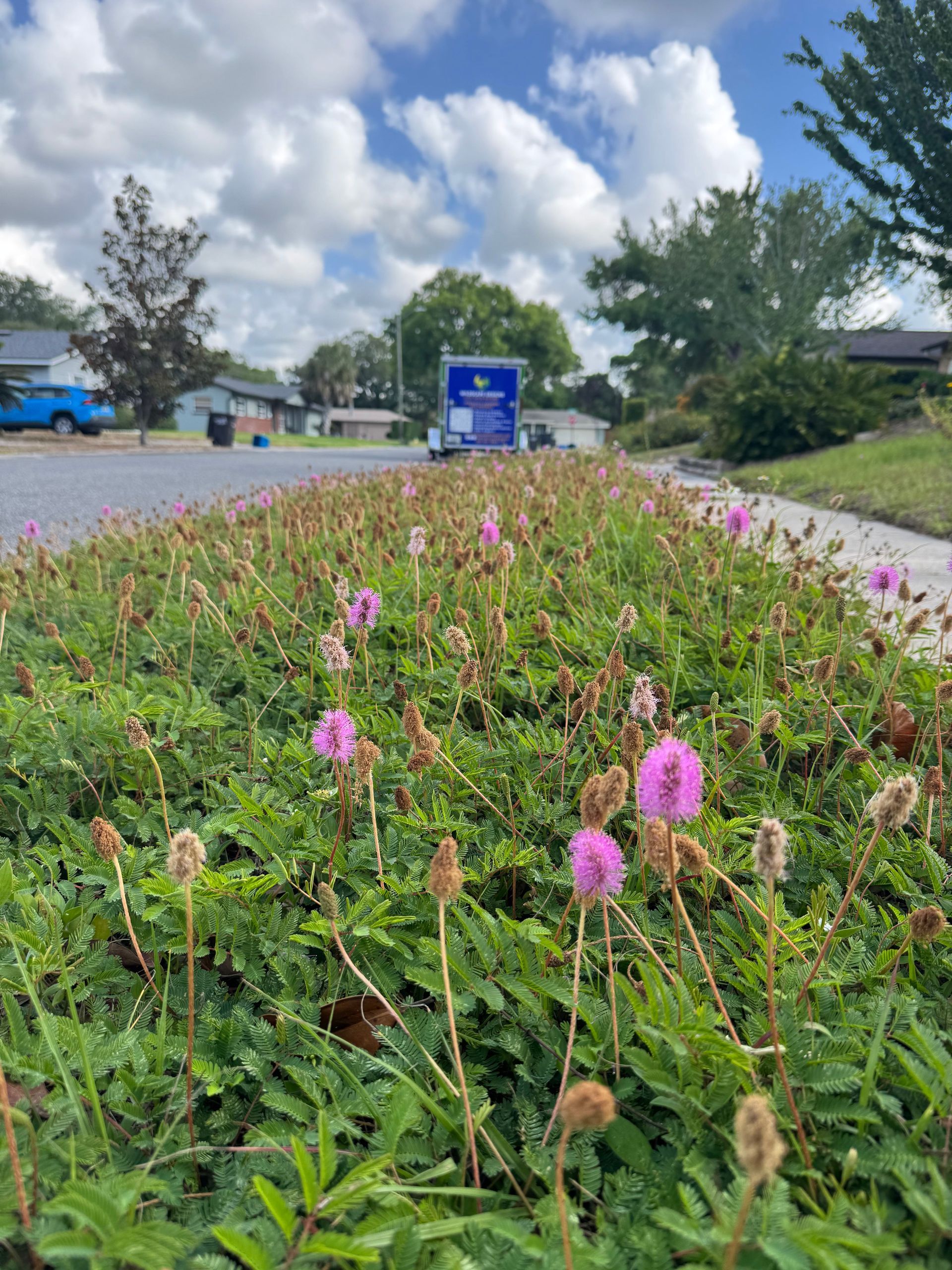
- Groundcovers: sunshine mimosa or frogfruit to soften pathways.
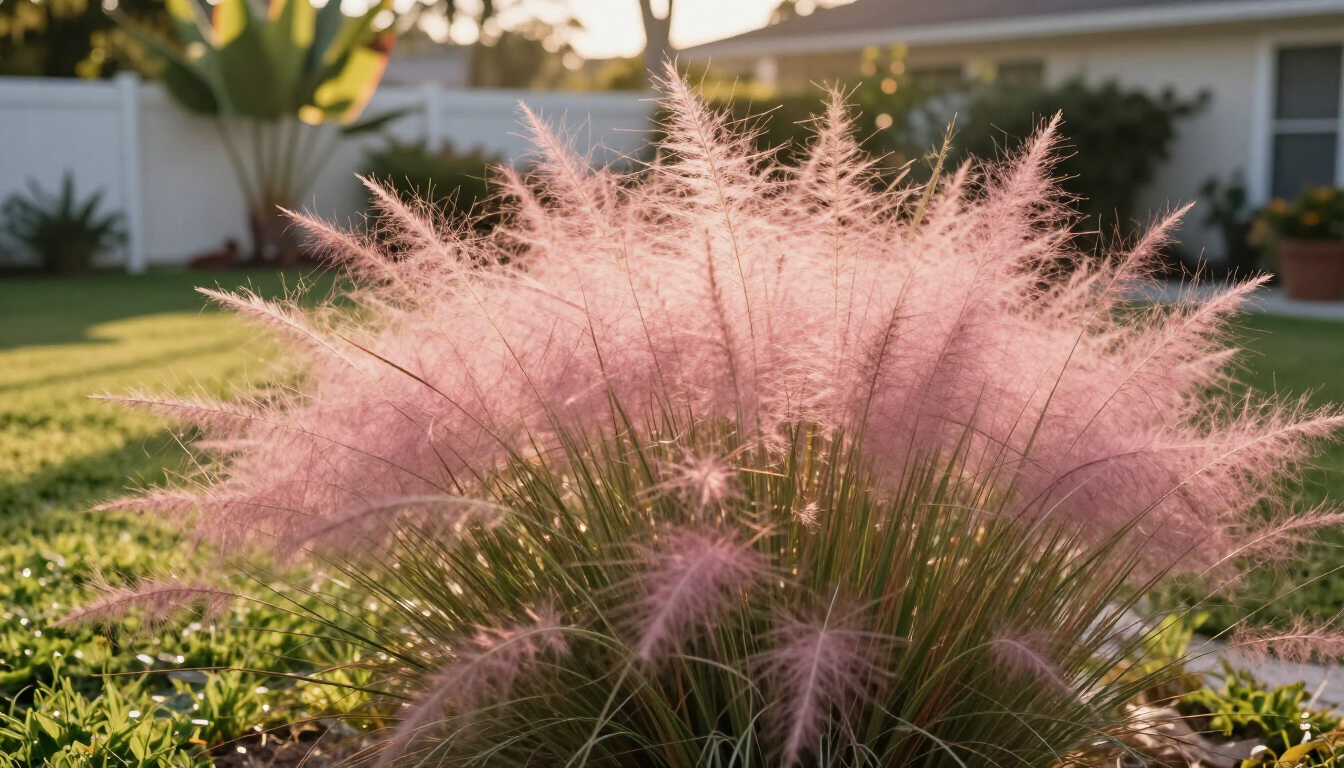
- Accents: coontie, muhly grass, or native ferns for texture.
Choose plants according to your site’s sun, drainage, and mature size. A plant that thrives in a sunny sandy bed may struggle beside a shaded patio. Our native landscaping service can help match the planting palette to your Florida conditions.
2. Add a birdbath that works with nature
A birdbath is charming, useful, and delightfully low-tech. Place a shallow basin where birds can see approaching predators, but position it near a shrub or small tree so they have somewhere safe to retreat.
Use a rough-textured basin or add a few stones so birds can stand securely. Keep the water fresh by emptying and refilling it regularly, especially during hot weather. A gentle scrub helps prevent algae and mosquitoes.
For a more sustainable choice, select reclaimed stone, recycled metal, or a durable local material. Avoid placing the bath directly beneath dense branches, where falling leaves and droppings can quickly turn your spa-like feature into a tiny bird buffet nobody ordered.
3. Choose a wind chime with a lighter footprint
Wind chimes bring sound and movement to a quiet garden. Their gentle notes can mask traffic and create a subtle cue to slow down. Select one made from bamboo, responsibly sourced wood, recycled metal, or another long-lasting material.
Hang it where it catches a consistent breeze without disturbing neighbors. A shaded location under a pergola or branch can protect natural materials from intense sun and extend their life. Keep the scale appropriate: the goal is a soft soundtrack, not an audition for a tropical orchestra.
4. Use permeable paths and natural seating
A garden nook should feel connected to the landscape rather than dropped onto it. Permeable materials such as gravel, shell, spaced pavers, or mulch allow rainwater to move into the soil instead of rushing across hard surfaces.
For seating, consider:
- A reclaimed-wood bench
- A locally sourced stone seat
- A recycled-content Adirondack chair
- A small pair of durable, repairable chairs
Select materials that can handle Florida’s humidity, sun, and heavy rain. Thoughtful placement matters as much as the product: face the seat toward foliage, a water feature, or an open patch of sky rather than toward a shed or air-conditioning unit.
How can shade make a Florida garden nook more comfortable?
Shade is essential to comfortable Florida garden design. It lowers radiant heat, protects furniture and plants, and makes the space usable during more hours of the day. Start by observing where shade falls in the morning, midday, and late afternoon before choosing a structure or tree.
Possible solutions include:
- A pergola with a breathable shade cloth
- A native or Florida-adapted small tree
- A living screen of shrubs and vines
- A patio umbrella made from durable, replaceable fabric
- A strategically placed trellis
Combine overhead shade with plants that cool the edges of the nook. Avoid crowding the area with fast-growing trees too close to foundations, roofs, or utility lines. A landscape professional can help plan for mature dimensions rather than designing only for the first season.
Which water-wise features belong in a sustainable garden?
A calming garden does not need a thirsty lawn or a large pond. Water-wise design begins with putting the right plant in the right place and watering deeply but efficiently when needed.
Consider these features:
- Drip irrigation: delivers water near plant roots and reduces evaporation.
- Rain gardens: use shallow planted depressions to slow and absorb runoff.
- Rain barrels: collect roof runoff where local rules and conditions allow.
- Mulch: helps retain soil moisture and moderate root temperatures.
- Smart irrigation controls: adjust schedules for rainfall and seasonal needs.
Keep mulch a few inches away from trunks and stems, and check irrigation regularly for leaks or overspray. For help with efficient systems and evening visibility, see irrigation and landscape lighting .
What small details make a garden nook feel zen?
Zen does not require a replica of a formal Japanese garden. It comes from simplicity, repetition, natural textures, and a thoughtful lack of clutter. In a Florida setting, use materials and plants that belong comfortably in the climate.
Try adding:
- A compact stone grouping that creates visual balance
- A low bowl planter with a single sculptural plant
- Warm, low-voltage lighting aimed at paths or foliage
- A small shelf for a book, cup, or gardening tools
- A textured mat made from a weather-resistant natural fiber
Limit competing colors and decorations. Repeating two or three materials—such as stone, wood, and foliage—usually feels calmer than collecting every attractive object at the garden center. Leave a little empty space. Your eyes, and your maintenance schedule, will thank you.
How do you support birds and pollinators naturally?
Wildlife-friendly design makes a nook feel alive without requiring elaborate equipment. Plant flowers that provide nectar across multiple seasons, include fruiting shrubs where appropriate, and avoid routine pesticide use that can harm beneficial insects.
Provide shallow water, shelter, and varied plant heights. Leave a small area of leaf litter or stems when practical; many insects use these materials for food or overwintering habitat. If you add feeders, clean them often and place them where cats cannot easily ambush visiting birds.
The goal is not to control every visitor. A lizard basking on a stone or a butterfly investigating a flower is part of the design—not a landscape emergency.
A simple plan for creating your garden retreat
Use this sequence to turn an unused corner into a functional, eco-friendly garden nook:
- Observe the space: note sun, shade, drainage, views, noise, and existing wildlife.
- Choose the purpose: decide whether the nook is for reading, meditation, conversation, or quiet morning coffee.
- Plan the structure: position seating, shade, paths, and privacy elements first.
- Select climate-appropriate plants: prioritize native and low-water varieties suited to the site.
- Add sensory details: introduce a birdbath, wind chime, fragrance, texture, or subtle lighting.
- Install for long-term care: use permeable surfaces, efficient irrigation, and durable materials.
For edible plants alongside your retreat, explore edible landscaping . For a more individualized space, custom specialty gardens can combine relaxation, habitat, and personality.
What should you remember about eco-friendly Florida garden design?
The best eco-friendly Florida garden design is not a collection of trendy accessories. It is a comfortable, climate-aware space built around the way you want to live outdoors. Start with shade, suitable native plants, efficient water use, and seating that invites you to stay awhile. Then add personal details such as a birdbath, wind chime, natural path, or gentle lighting. Keep the design simple, maintainable, and connected to the surrounding yard. If you are ready to create a garden nook that helps life feel a little less hurried, evaluate your space, define the mood you want, and plan the first practical improvement today.
Recent Posts