
5 Benefits of Solar Landscape Lighting in Florida

October 20, 2026

Share this article

Solar landscape lighting in Florida uses sunlight-charged fixtures to illuminate paths, patios, planting beds, and outdoor living areas without connecting to household electricity. Compared with regular wired lighting, it can reduce energy use, simplify installation, and support a lower-impact landscape while giving homeowners dependable nighttime visibility and peace of mind.

Solar landscape lighting illuminating a sustainable Florida garden

Why choose solar landscape lighting in Florida?

Florida homeowners have a unique opportunity to pair abundant sunshine with thoughtful outdoor lighting. Solar fixtures collect energy during the day, store it in an internal battery, and turn on automatically after dark. That makes them especially useful for gardens, walkways, patios, and naturalized planting areas where a soft, subtle glow is more appropriate than intense illumination.

The best choice depends on the landscape, shade levels, desired brightness, and how consistently the lights need to operate. Solar lighting is not automatically better in every location, but it can be an excellent fit for an ecologically responsible Florida landscape.

Five benefits for homeowners and the planet

  1. Lower electricity use: Solar fixtures use stored sunlight rather than drawing power from the home’s electrical system. Over time, this can help reduce the energy associated with outdoor lighting.
  2. Simpler installation: Many solar lights require no trenching, wiring, or electrical connection. This can minimize disruption to established plants, mulch beds, and soil.
  3. Reduced installation impact: Fewer cables and less excavation can mean less disturbance to roots, drainage patterns, and beneficial soil life.
  4. Automatic nighttime guidance: Sensors can switch lights on at dusk, helping illuminate paths, steps, gates, and entertaining areas without requiring daily attention.
  5. A gentler visual effect: Carefully selected warm-toned fixtures can highlight native plants and garden structure without overwhelming the nightscape.

How does solar lighting compare with regular landscape lighting?

Regular landscape lighting typically connects to a low-voltage transformer and household electricity. It can provide consistent brightness, broad fixture options, and reliable performance in shaded locations. Solar lighting is self-contained, but its output depends on sunlight, battery condition, fixture quality, and placement.

| Consideration | Solar lighting | Regular low-voltage lighting | |---|---|---| | Energy source | Stored sunlight | Household electricity | | Installation | Usually wireless and minimally invasive | Requires wiring and a transformer | | Performance | Varies with weather and shade | Generally consistent | | Best use | Paths, accents, beds, and small zones | Large areas and high-output designs | | Maintenance | Panels and batteries need attention | Bulbs, wiring, and fixtures need attention |

For a complete property, a blended approach may be ideal. Solar fixtures can handle garden accents and pathways, while wired lighting can support larger entertaining spaces or areas shaded by mature trees.

Where does solar lighting work best in a Florida landscape?

Solar landscape lighting performs best where panels receive several hours of unobstructed daylight. Open planting beds, front walkways, pool approaches, and sunny patios are often strong candidates. Place fixtures where they can collect light without being blocked by rooflines, dense foliage, walls, or seasonal growth.

Consider solar lighting for:

  • Entry paths and garden walkways
  • Native plant beds and food garden edges
  • Steps, gates, and low retaining walls
  • Seating areas that need gentle evening ambience
  • Decorative focal points, trees, and water features

In Central Florida, cloud cover, storms, and short winter days can reduce charging time. A professional assessment can help determine whether solar, wired, or hybrid lighting is the most dependable option for each zone. Explore Landscape Lighting to see how lighting can be integrated into a broader outdoor design.

Warm solar path lights along native Florida plantings

Does solar lighting improve peace of mind?

It can. A well-planned lighting system helps homeowners see where they are walking after sunset and makes transitions around steps, paths, and entrances easier. Automatic operation means there is no need to remember switches before an evening outdoors.

Solar lighting can also provide reassurance when returning home after dark. Low-level illumination around an entry or driveway makes the property feel more welcoming and easier to navigate. However, lighting should support—not replace—secure gates, strong locks, clear sightlines, and responsible landscape maintenance.

The most comfortable designs avoid glare. Aim fixtures downward, shield bright sources, and use warm color temperatures. This protects the relaxing character of the garden while providing useful visibility for residents and guests.

Design principles for a healthier nightscape

Sustainable lighting is about more than choosing a solar-powered product. Fixture placement, brightness, timing, and color all affect people, wildlife, and the surrounding environment.

Use these practical guidelines:

  • Choose warm, restrained illumination instead of harsh blue-white light.
  • Direct light toward walking surfaces and architectural details, not into the sky.
  • Avoid shining fixtures into windows or neighboring properties.
  • Use fewer fixtures with intentional spacing rather than creating uniform glare.
  • Keep lights away from sensitive habitat areas where darkness supports nocturnal wildlife.

Solar lighting pairs especially well with Native Landscaping , edible gardens, and low-impact outdoor living areas. A thoughtful landscape plan can make lighting feel like part of the ecosystem rather than an overlay added afterward.

What should Florida homeowners check before choosing solar lights?

Start with the landscape rather than the fixture catalog. Observe where sunlight falls throughout the day, note shaded areas, and identify the places where nighttime visibility matters most. Then consider the following:

  1. Sun exposure: Will each panel receive enough direct light to charge reliably?
  2. Weather resistance: Is the fixture designed for Florida heat, humidity, rain, and storms?
  3. Battery quality: Can replacement batteries be sourced easily, and how long are they expected to last?
  4. Light output: Is the goal visibility, wayfinding, accent lighting, or security support?
  5. Maintenance access: Can panels be cleaned and fixtures repositioned as plants grow?

Quality matters. Very inexpensive lights may have weaker batteries, less durable housings, and inconsistent output. A landscape professional can recommend fixtures that suit the site and coordinate lighting with irrigation, planting, drainage, and hardscape decisions. Visit Irrigation & Landscape Lighting to explore related planning needs.

Sustainable Florida patio with discreet solar accent lighting

The sustainable choice depends on the site

Solar landscape lighting in Florida can reduce electricity use, limit installation disturbance, and make paths and outdoor rooms more comfortable after sunset. It is especially effective in sunny areas where homeowners want gentle, automatic illumination with minimal wiring.

Before choosing, evaluate sun exposure, weather durability, battery performance, brightness, and maintenance. Use solar fixtures where they perform naturally, and consider wired or hybrid lighting for shaded zones or larger areas that require consistent output. The next step is to review your landscape’s lighting goals and create a plan that supports people, plants, wildlife, and the planet.

Recent Posts

Eco-friendly Florida garden design with a peaceful birdbath nook
October 20, 2026
Create a calming Florida garden nook with eco-friendly design ideas, native plants, birdbaths, shade, water-wise features, and sustainable outdoor living touches.
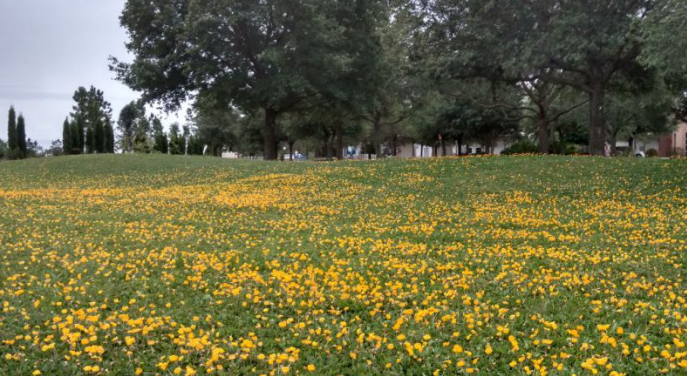
Native Florida-friendly plants replacing grass in a sustainable landscape
By Kimberly Nieves • October 1, 2026
Discover why native and Florida-friendly plants are replacing traditional grass, plus practical ideas for a beautiful, lower-maintenance Florida landscape.
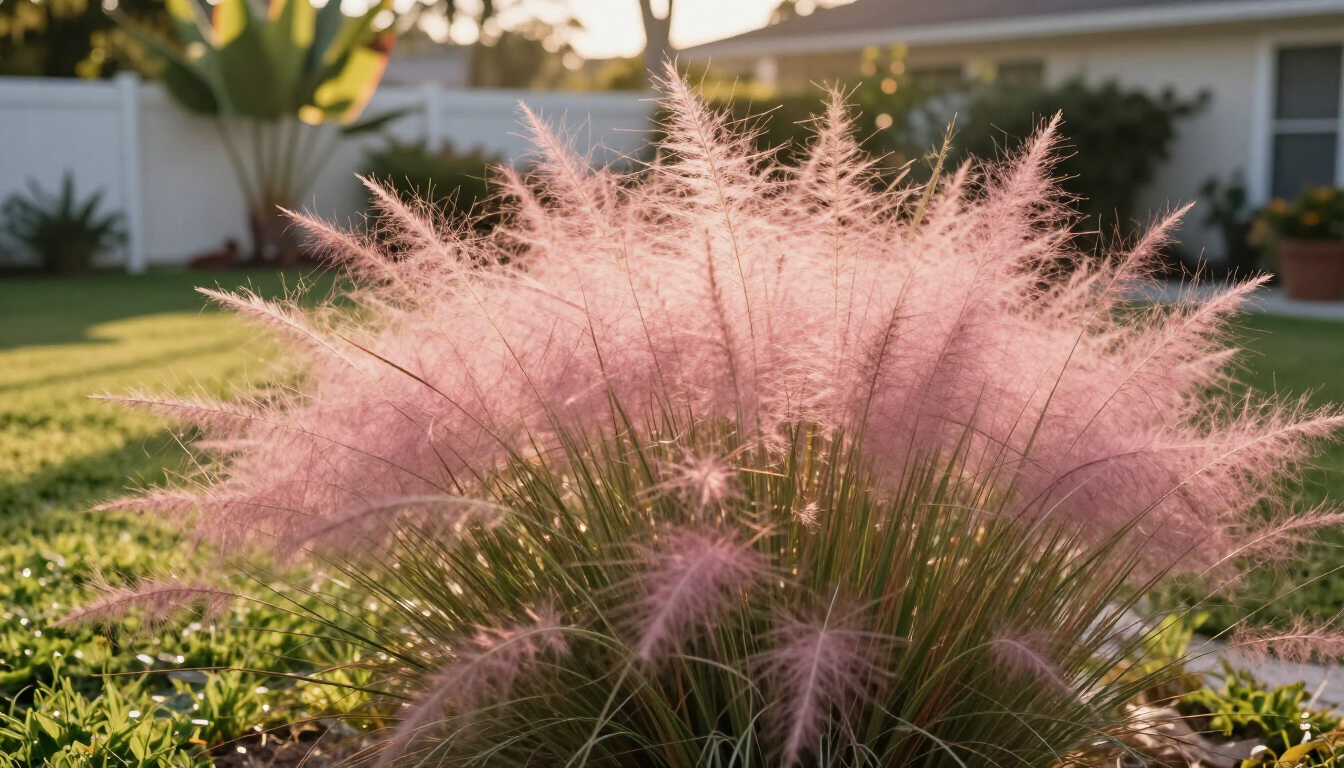
Florida native plants to plant this fall
By Kimberly Nieves • September 22, 2026
Discover 7 beautiful Florida native plants to plant this fall for wellness, wildlife, low-water beauty, and a healthier landscape.
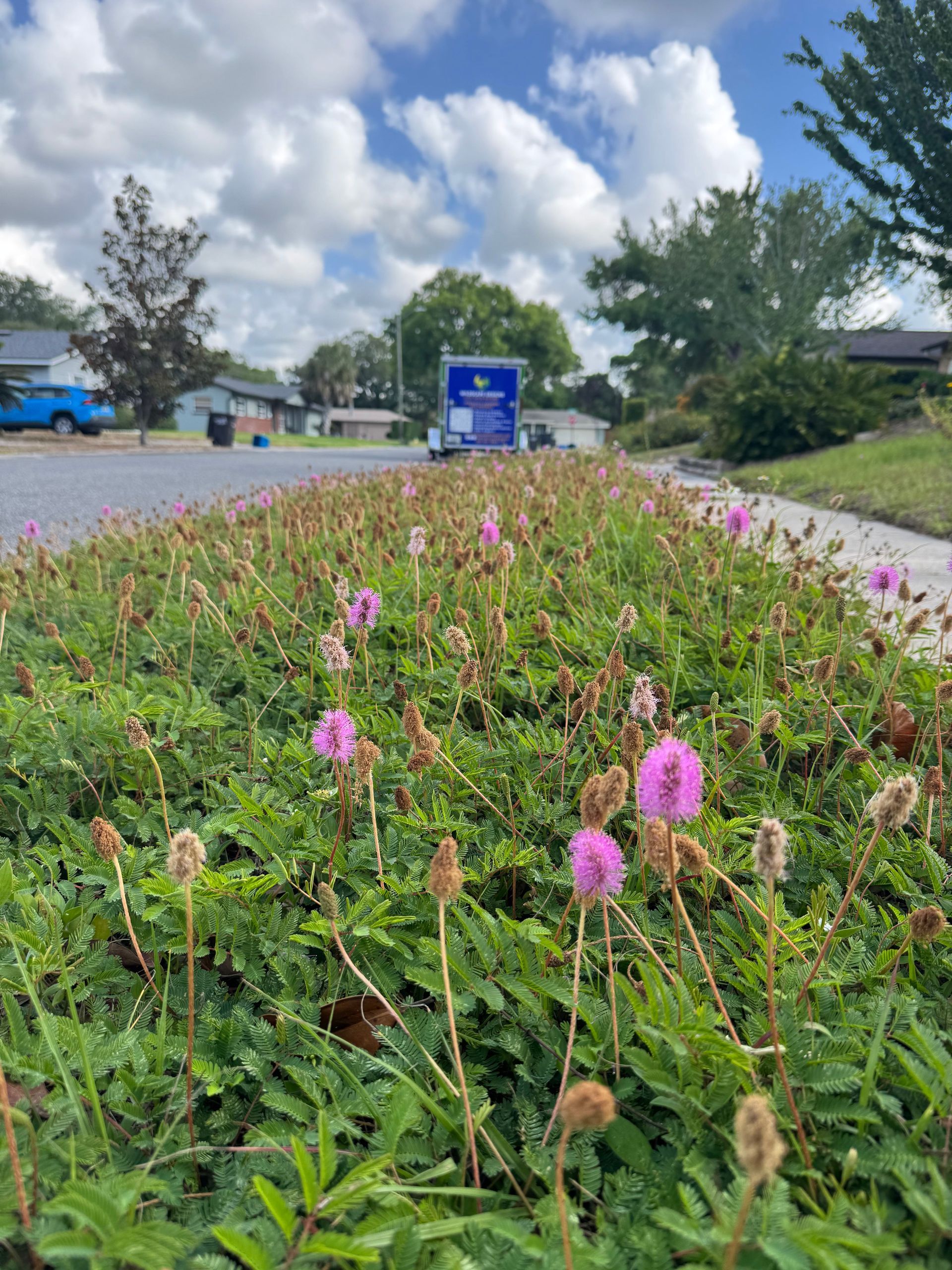
A beautiful sustainable landscape featuring Florida native plants and a stone path.
September 1, 2026
Discover the transformative power of Wildscape designs. Learn from our experience how native plants, edible gardens, and sustainable design create beautiful, low-maintenance Florida landscapes.
By nasser • August 29, 2025
Discover how to create stunning edible landscapes in Florida by integrating native plants that enhance beauty, support local ecosystems, and yield delicious fruits and vegetables. Learn practical tips for designing and maintaining your garden while promoting biodiversity and sustainability.
By nasser • August 28, 2025
Discover how education and consultation services empower homeowners to make eco-conscious landscaping choices that enhance beauty, save costs, and benefit the environment. Join the movement towards sustainable landscaping today!
By nasser • August 27, 2025
Discover how commercial native landscaping can transform your property with stunning visuals, significant cost savings, and a boost in biodiversity. Embrace sustainability while enhancing your curb appeal today!
By nasser • August 26, 2025
Discover how custom moon gardens and sensory landscapes can elevate your outdoor space, promoting relaxation and enhancing your overall wellness. Transform your environment into a serene sanctuary that nurtures your mind, body, and spirit.
By nasser • August 25, 2025
Unlock your potential in sustainable landscaping with our engaging workshops and personalized consultations! Whether you're a beginner or an experienced gardener, gain hands-on experience and expert insights to transform your outdoor space sustainably.
By nasser • August 22, 2025
Transform your outdoor space with eco-friendly landscape upgrades using native plants! Discover how site consultations can help you create beautiful, sustainable environments that support biodiversity and reduce maintenance.
Show More