
5 Native Florida-Friendly Grass Replacements
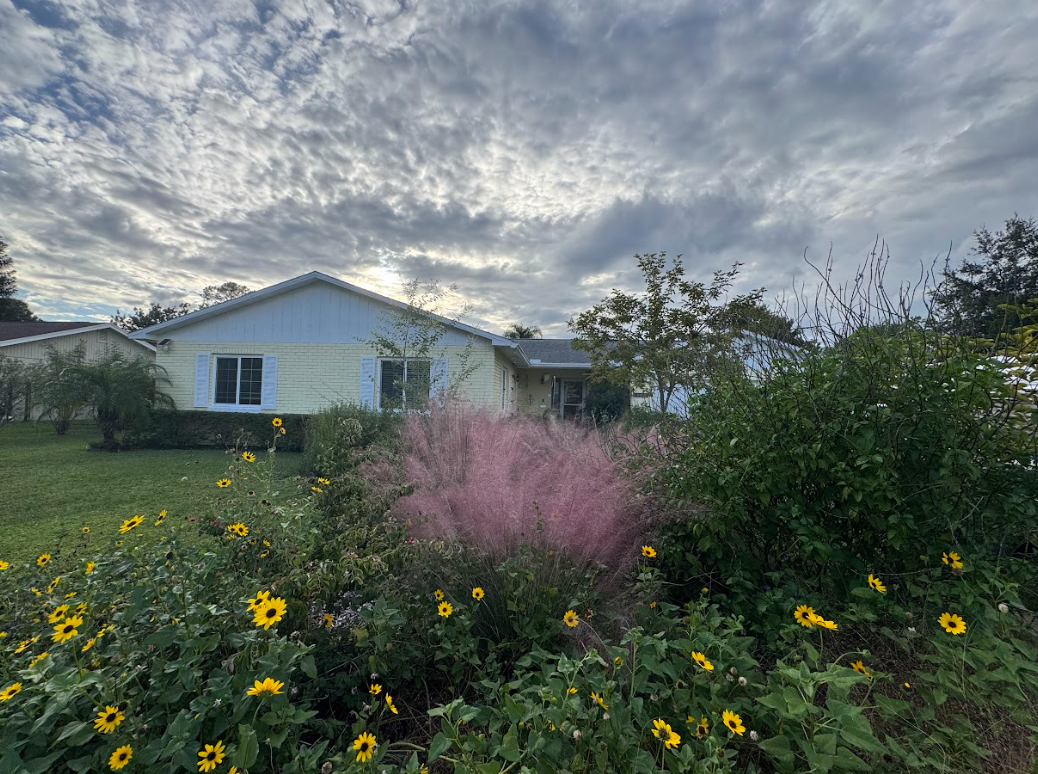
Native and Florida-friendly plants are replacing traditional grass because they use less water, fertilizer, and maintenance while supporting pollinators and adapting to Florida’s heat. A thoughtfully designed grass replacement can create a more resilient, attractive yard with shade, texture, seasonal color, and habitat without sacrificing usable outdoor space.
Why are Florida-friendly plants replacing grass?
Traditional turfgrass can look tidy, but it often demands regular mowing, irrigation, weed control, and fertilization. In Florida, heavy rain, intense sun, sandy soil, and long growing seasons can make maintaining a uniform lawn especially difficult since lawn is not a naturally-occurring plant in our state.
Native and Florida-friendly plants offer a practical alternative. They are selected for their ability to perform in local conditions, which can make them more dependable once established. Instead of covering every inch with one grass species, homeowners can create a layered landscape with groundcovers, shrubs, ornamental grasses, trees, and edible plants.
The result is not simply a lawn removed and plants added. It is a more intentional outdoor space that can:
- Reduce water use and irrigation demand
- Provide food and shelter for birds, bees, and butterflies
- Improve soil health and reduce erosion
- Add privacy, shade, texture, and seasonal interest
- Require less mowing and fewer chemical inputs
For homeowners planning a complete transformation, native landscaping services can help match plants to sunlight, drainage, soil, and the way each part of the yard will be used.
What makes a good grass replacement in Florida?
A successful grass alternative should do more than survive. It should fit the site and support the homeowner’s goals. Before selecting plants, consider these five questions:
- How much sun does the area receive? Full-sun spaces need heat-tolerant choices, while shaded areas require plants that thrive with filtered light.
- Does water drain quickly or remain after rain? Sandy, dry areas need different plants than low spots or wet zones.
- Will people walk through the space? Some groundcovers tolerate occasional foot traffic; others are better for visual planting beds.
- Is the goal privacy, habitat, color, or food? The answer shapes the plant palette and layout.
- How much maintenance feels realistic? A low-water landscape still needs establishment care, pruning, and occasional renewal.
Native does not automatically mean “plant it and forget it.” Every new landscape needs watering while roots establish. The advantage is that appropriate plants generally become better adapted to local conditions over time.
Five Florida-friendly grass replacement ideas
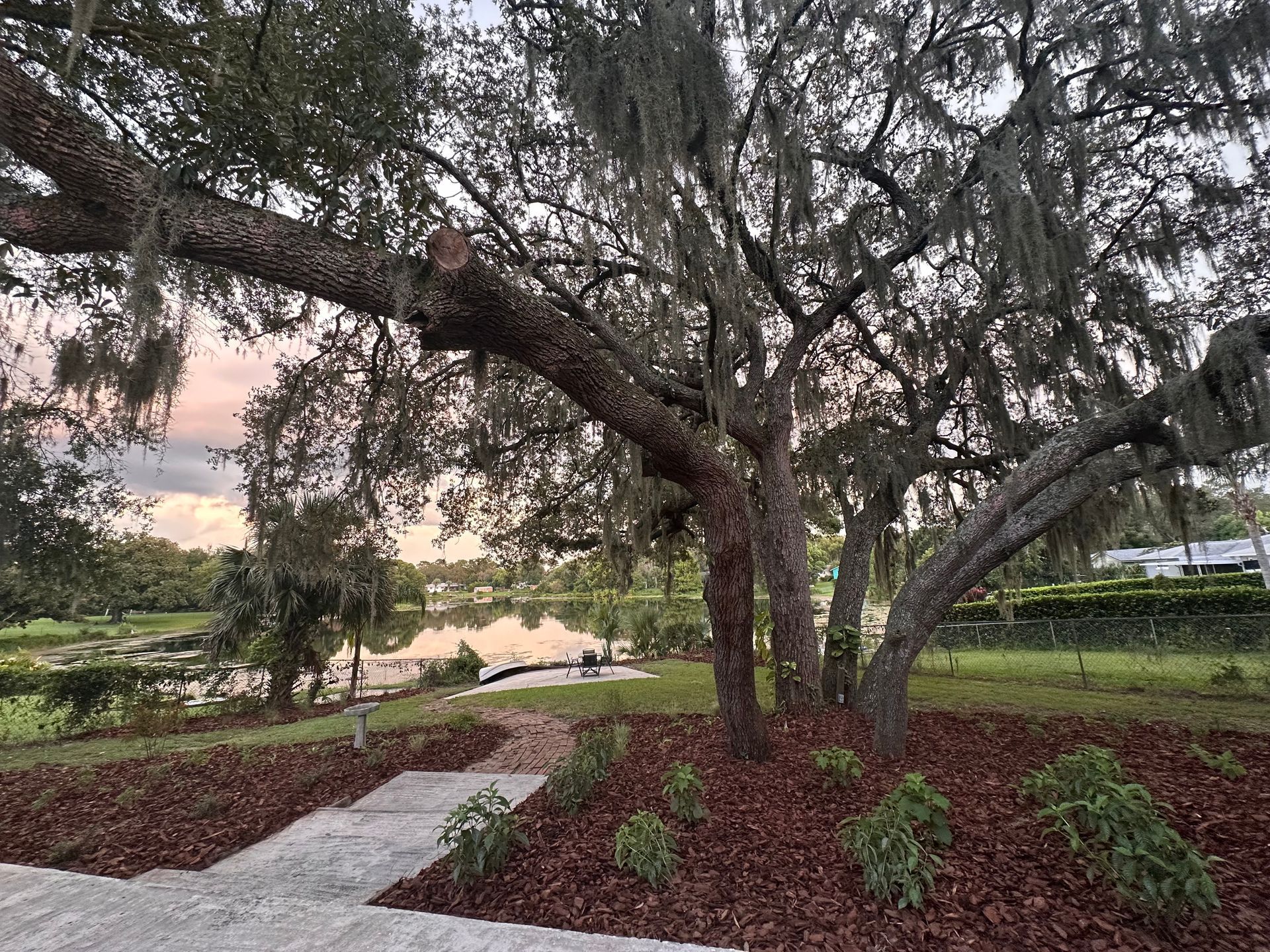
1. Native groundcovers
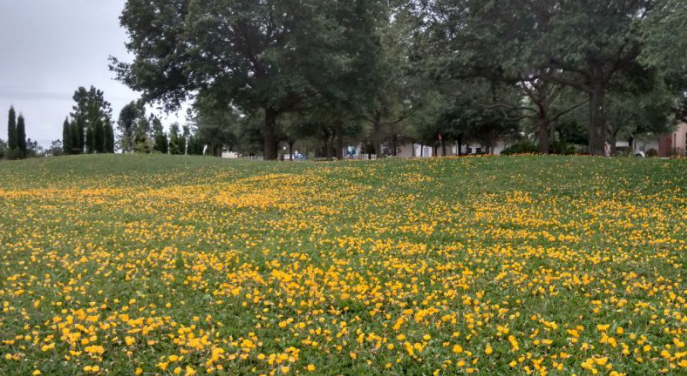
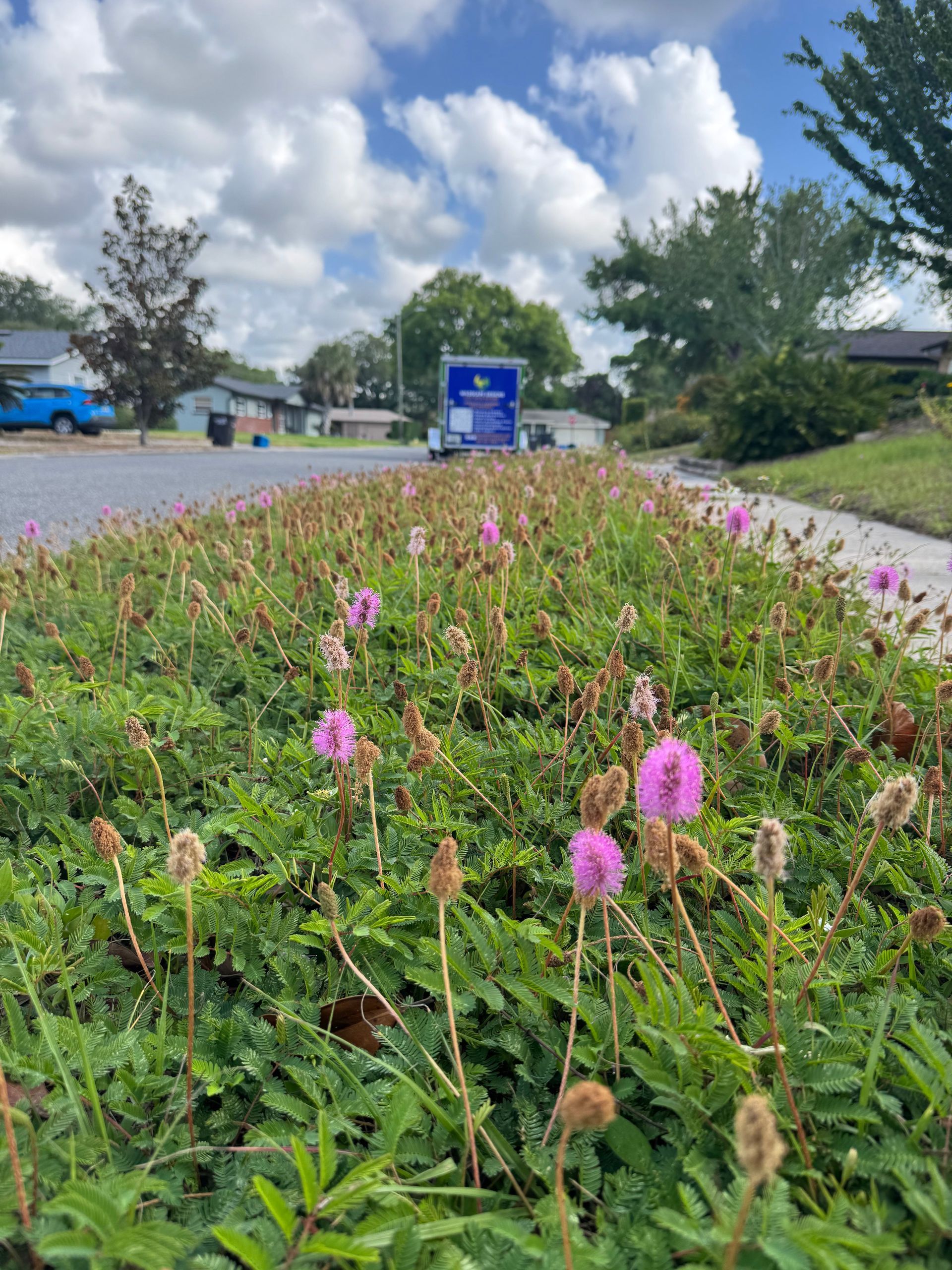
Low-growing plants can create a soft, green carpet without the constant mowing associated with turf. Groundcovers work especially well beneath trees, along pathways, and in planting beds where a traditional lawn would struggle.
Choose varieties based on light, moisture, and foot traffic. Use stepping stones or paths where people regularly cross the area instead of expecting every groundcover to withstand daily activity.
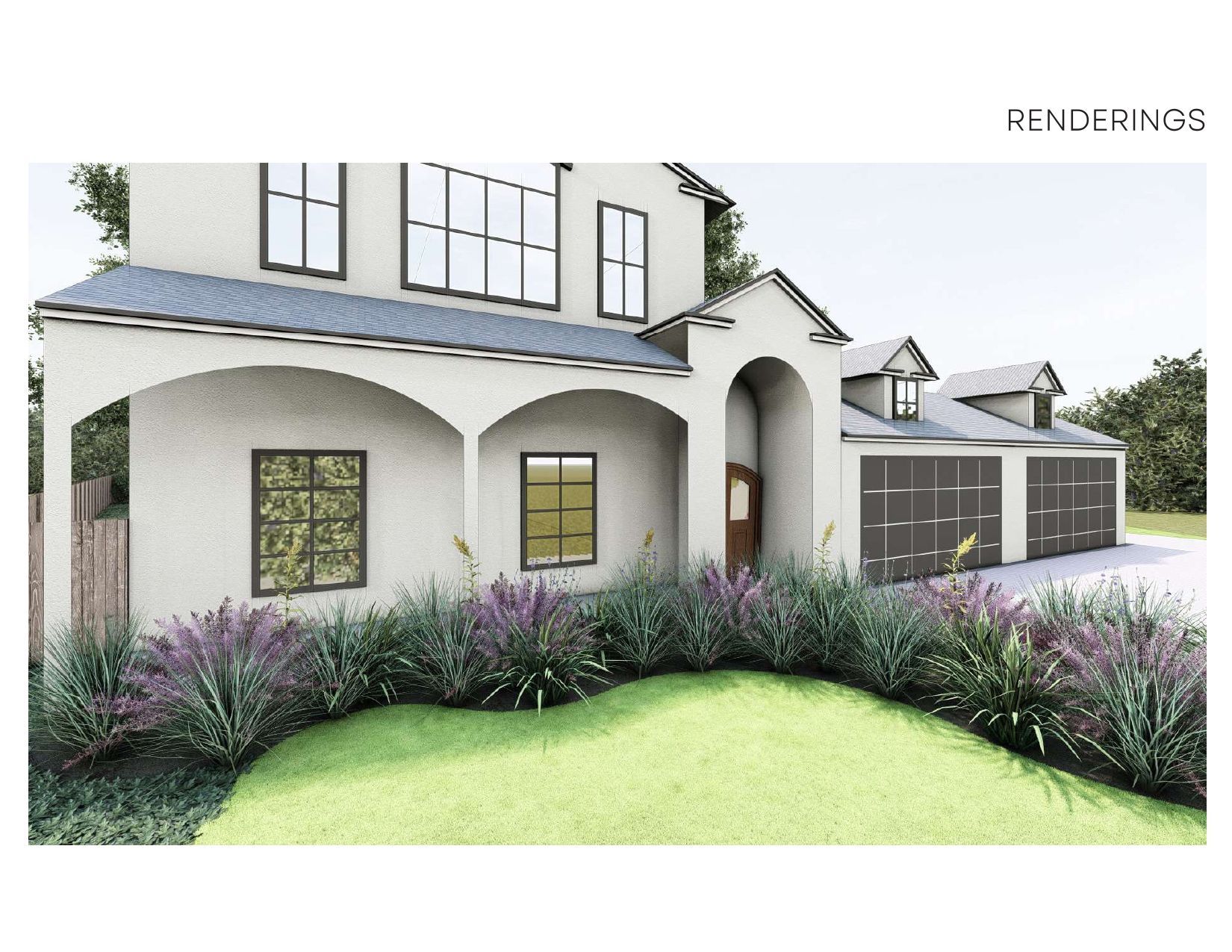
2. Ornamental grasses
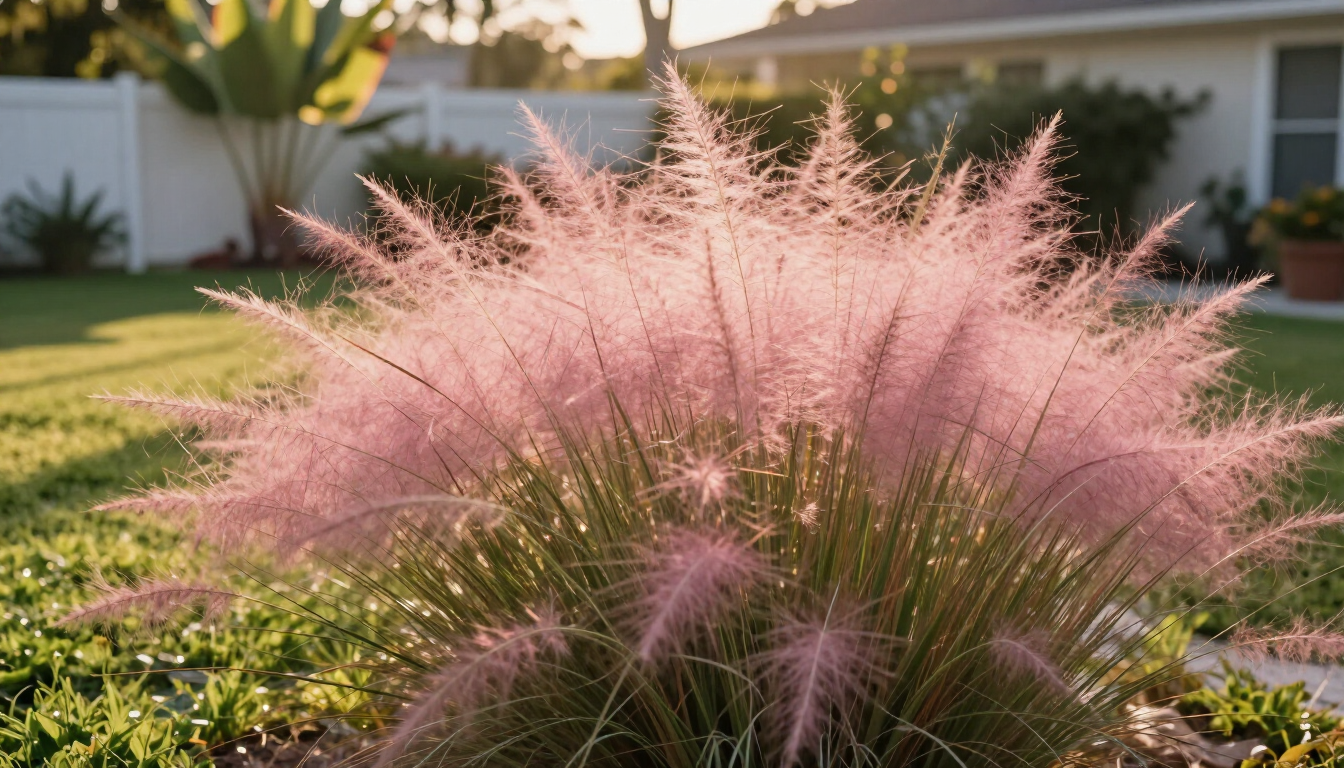
Clumping ornamental grasses add movement and texture while creating a relaxed, natural appearance. They can soften fences, define outdoor rooms, or replace narrow strips of difficult-to-mow lawn.
Unlike turfgrass, ornamental grasses are usually planted in distinct groups. Repetition creates visual order, while different heights can add depth. Many also provide seed heads or shelter for wildlife.
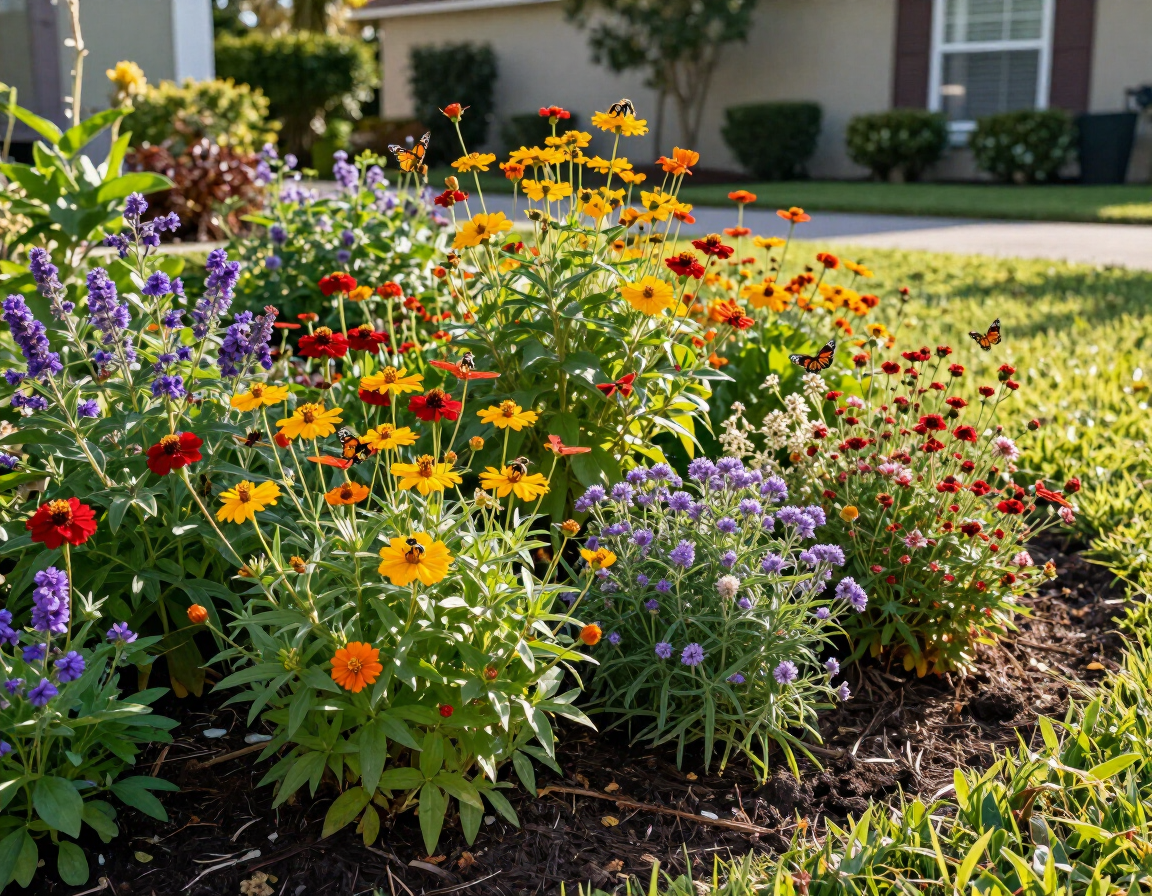
3. Pollinator-friendly planting beds
Flowering native shrubs, perennials, and herbs can turn a blank lawn into a living garden. Group plants in clusters rather than scattering individual specimens. This makes the design easier to read and gives pollinators a more useful source of nectar.
Include plants with different bloom periods so the landscape offers interest across multiple seasons. A few evergreen shrubs can provide structure between flowering periods.
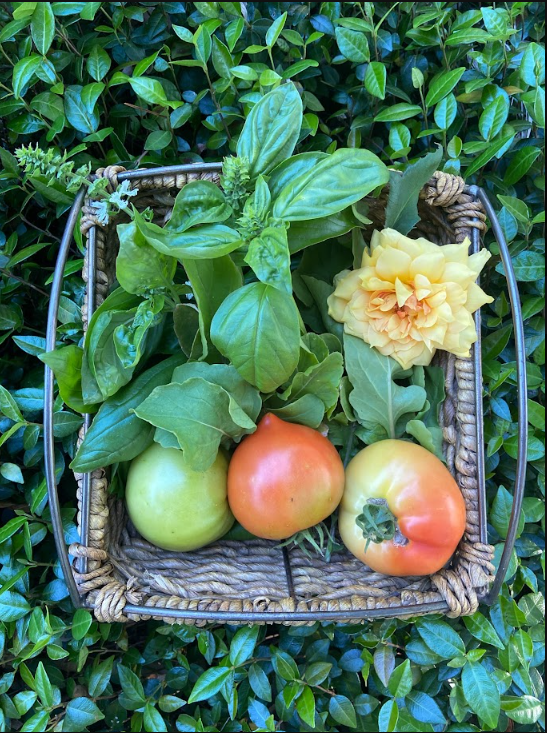
4. Edible landscapes and food forests
A grass replacement can also produce food. Herbs, fruiting shrubs, vegetables, and small trees bring purpose to the landscape while making the yard more engaging for the household.
Edible plants should be placed where they can be monitored, harvested, and watered easily. Combine productive plants with flowers and native species to support beneficial insects and create a cohesive design. Explore edible landscaping for ideas that connect beauty and usefulness.
5. Mixed naturalistic landscapes
The most successful alternatives often combine several approaches. A yard might include a small play area, a native planting border, a shaded seating space, a rain garden, and a productive garden rather than one continuous lawn.
This approach preserves the functions homeowners actually need while removing turf from areas that were mostly decorative. It can also make a property feel more personal and connected to its surroundings.
How much lawn should you replace?
You do not have to remove every blade of grass. The right amount depends on how your household uses the property. Keep turf where it provides a clear benefit, such as a play zone, gathering area, or open view. Replace grass where it is difficult to maintain or adds little value.
Good candidates include:
- Narrow strips beside driveways and sidewalks
- Slopes that are hard to mow safely
- Shaded areas where grass grows thinly
- Spaces beneath trees
- Drainage areas that stay wet or wash out
- Large decorative lawns used rarely
A phased plan can make the transition manageable. Start with one visible problem area, learn how the plants perform, and expand the design over time.
Are native plants really lower maintenance?
Native and Florida-friendly plants can reduce maintenance, but they do not eliminate it. During the first several months, plants need consistent establishment watering and monitoring. Weeds may appear as the soil is disturbed, and some plants need shaping as they mature.
Once established, a well-designed landscape can reduce routine work by limiting mowing, reducing irrigation, and placing plants where their mature size fits the space. Maintenance becomes more focused: pruning at the right time, refreshing mulch, checking irrigation, and replacing plants that are poorly matched to the site.
Avoid overcrowding a new planting bed. Plants need room to reach their mature size, and spacing them correctly improves airflow and reduces future pruning.
A practical process for replacing turfgrass
Use this simple sequence before beginning a grass replacement project:
- Observe the site. Note sun, shade, drainage, soil conditions, views, utilities, and areas of foot traffic.
- Define the purpose. Decide whether the space should provide habitat, privacy, food, play, shade, or visual interest.
- Remove or reduce turf strategically. Avoid exposing more soil than you can plant and maintain at one time.
- Improve the planting area. Use appropriate compost, mulch, grading, and irrigation adjustments when needed.
- Choose plants by conditions. Select for mature size, water needs, light, and function—not appearance alone.
- Establish the landscape. Water deeply and consistently at first, then adjust as roots develop.
A professional design process can help turn these decisions into a cohesive plan, particularly when the property includes drainage challenges, existing trees, or multiple outdoor uses.
Common mistakes to avoid
Replacing grass is most effective when the design is planned for the long term. Avoid these common problems:
- Choosing plants only because they look attractive at the garden center
- Installing moisture-loving plants in dry, sandy soil
- Planting too densely and creating unnecessary pruning
- Removing turf without solving drainage or erosion issues
- Expecting mature results immediately
- Using invasive species or plants unsuited to the local ecosystem
If you are unsure where to begin, compare your goals with examples in the design gallery , then schedule a conversation through Contact Us .
The bottom line
Native and Florida-friendly plants are a smart grass replacement when you want a landscape that uses resources more thoughtfully and feels better suited to Florida. They can reduce mowing and irrigation while adding habitat, color, shade, privacy, and even food. The best approach is not always total lawn removal. Keep grass where it serves a purpose, then replace high-maintenance or unused areas with plants selected for the site. Start with a clear goal, evaluate sun and drainage, and use a phased design that can mature successfully. Your next step is to identify one lawn area that offers the least value and plan a resilient alternative around how you actually live outdoors.
Recent Posts


