


Discover how solar landscape lighting in Florida supports eco-friendly landscapes, lowers energy use, and gives homeowners reliable nighttime peace of mind.

Create a calming Florida garden nook with eco-friendly design ideas, native plants, birdbaths, shade, water-wise features, and sustainable outdoor living touches.
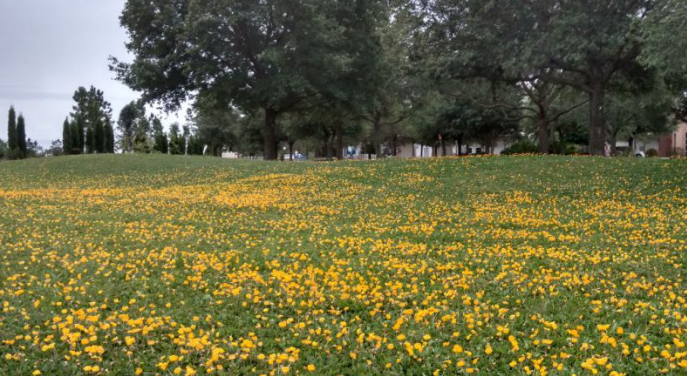
Discover why native and Florida-friendly plants are replacing traditional grass, plus practical ideas for a beautiful, lower-maintenance Florida landscape.
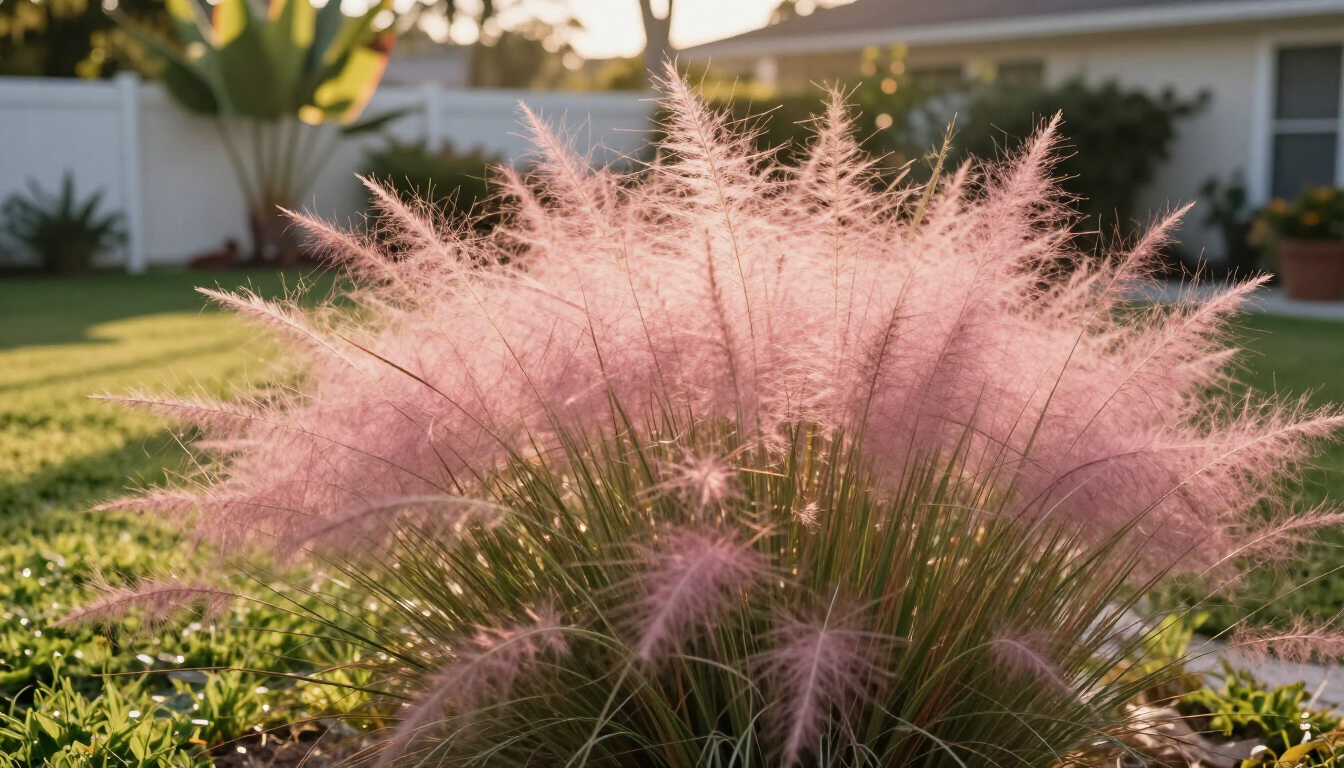
Discover 7 beautiful Florida native plants to plant this fall for wellness, wildlife, low-water beauty, and a healthier landscape.
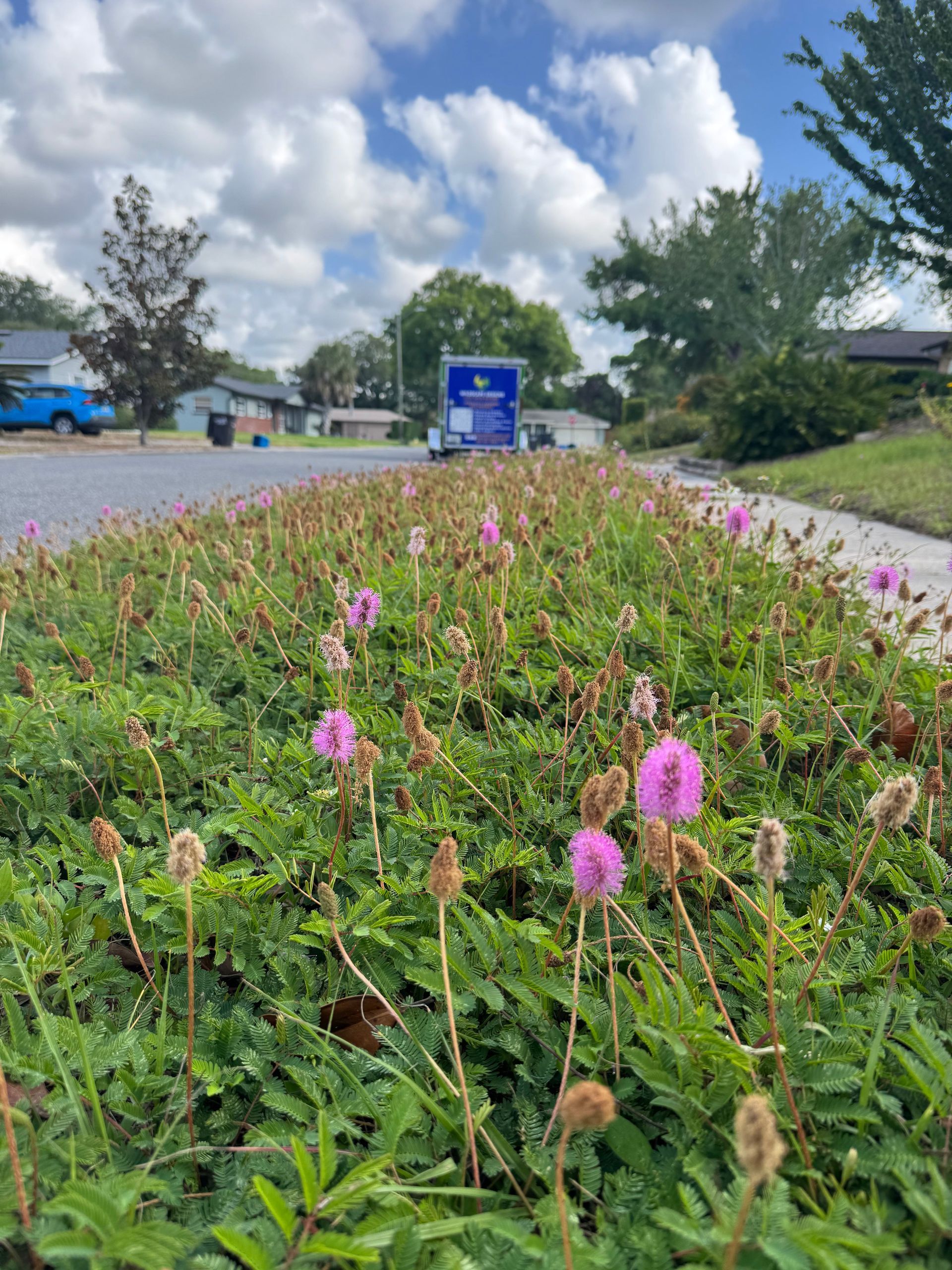
Discover the transformative power of Wildscape designs. Learn from our experience how native plants, edible gardens, and sustainable design create beautiful, low-maintenance Florida landscapes.

Discover how to create stunning edible landscapes in Florida by integrating native plants that enhance beauty, support local ecosystems, and yield delicious fruits and vegetables. Learn practical tips for designing and maintaining your garden while promoting biodiversity and sustainability.

Discover how education and consultation services empower homeowners to make eco-conscious landscaping choices that enhance beauty, save costs, and benefit the environment. Join the movement towards sustainable landscaping today!

Discover how commercial native landscaping can transform your property with stunning visuals, significant cost savings, and a boost in biodiversity. Embrace sustainability while enhancing your curb appeal today!

Discover how custom moon gardens and sensory landscapes can elevate your outdoor space, promoting relaxation and enhancing your overall wellness. Transform your environment into a serene sanctuary that nurtures your mind, body, and spirit.

Unlock your potential in sustainable landscaping with our engaging workshops and personalized consultations! Whether you're a beginner or an experienced gardener, gain hands-on experience and expert insights to transform your outdoor space sustainably.